

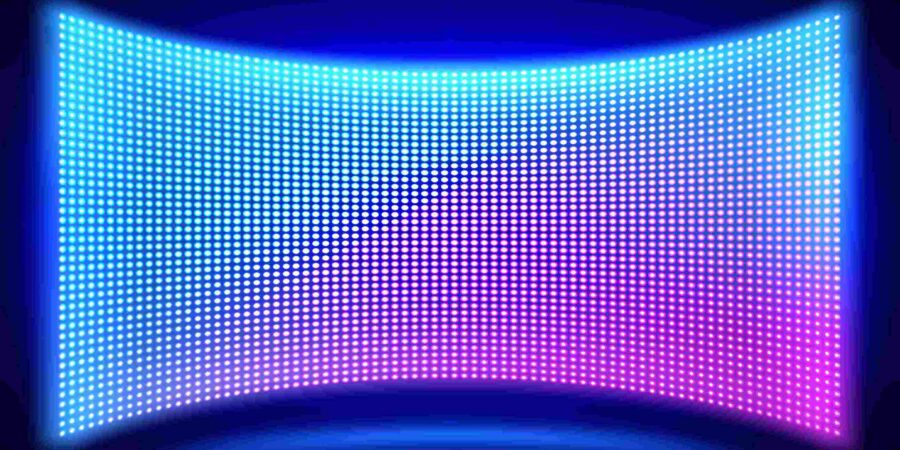
Visual technology has undergone a massive transformation over the past few decades. Heavy, rigid television sets have gradually evolved into incredibly thin screens that mount flush against our walls. Now, the industry is experiencing another massive leap forward with screens that can bend, roll, and wrap around physical structures.
At the heart of this shift is the flexible led display. This technology allows designers and engineers to completely rethink how we interact with digital content. Instead of forcing viewers to look at flat rectangles, creators can integrate moving images seamlessly into the physical environment.
Understanding the mechanics behind these bendable screens reveals a fascinating intersection of chemistry, engineering, and manufacturing. This article explores the science that makes flexible screens possible, starting from the base materials and moving all the way to the final product. You will learn how these displays function without breaking and see how they are currently changing retail, architecture, and wearable technology.
The Core Components of Bendable Screens
To build a display that bends, manufacturers must rethink the foundational materials used in traditional electronics. Standard displays rely heavily on rigid glass, which shatters under pressure. Flexible screens require components that can withstand constant movement and tension.
Substrate Materials
The substrate is the foundational layer upon which the entire display is built. In traditional screens, this layer is made of glass. For flexible displays, engineers replace glass with flexible polymers. Polyimide is the most common choice. This robust plastic can survive the high temperatures required during the manufacturing process while remaining incredibly pliable. Polyimide acts as a flexible canvas, supporting the delicate electronic components without adding unnecessary bulk or rigidity.
Thin-Film Transistors
Once the flexible substrate is in place, manufacturers need a way to control the pixels. This is the job of the thin-film transistor (TFT) layer. TFTs act as tiny switches that tell each individual pixel when to turn on and what colour to display. To maintain flexibility, the TFTs are printed directly onto the plastic substrate using specialised techniques. These organic or plastic-based transistors bend effortlessly alongside the polyimide base, ensuring the screen remains fully functional even when wrapped around a pillar or folded in half.
The Mechanics of Flexibility
Having a flexible base and bendable transistors is only part of the equation. The light-emitting components themselves must also be able to curve without cracking or losing their brightness.
Organic Light-Emitting Diodes (OLED)
OLED technology is a major driver of the flexible display market. Unlike traditional LCD screens, which require a bulky backlight to illuminate the pixels, OLEDs are self-illuminating. Each pixel produces its own light when an electrical current passes through it. Because they do not need a backlight, OLED screens are remarkably thin. The organic compounds used to create the light can be deposited as extremely thin films onto the flexible substrate. This allows the entire display panel to bend freely.
Micro-LED Technology
Micro-LED is an emerging technology that offers another pathway to flexibility. As the name suggests, micro-LEDs are microscopic versions of traditional light-emitting diodes. Manufacturers transfer millions of these tiny, inorganic LEDs onto a flexible substrate. Because the individual diodes are so small, the spaces between them allow the overall panel to flex. Micro-LEDs offer incredible brightness and longevity, making them an excellent choice for outdoor displays and environments with high ambient light.
Manufacturing Processes
Creating a flexible display is a highly delicate operation. The materials involved are sensitive to environmental factors, and the assembly requires immense precision.
Encapsulation
The organic materials used in OLED displays are highly reactive. If they come into contact with oxygen or moisture, they degrade almost instantly, creating dead spots on the screen. To prevent this, manufacturers use a process called encapsulation. They coat the light-emitting layers with microscopic protective films. This barrier layer must be completely airtight while remaining thin enough to preserve the screen’s flexibility. Developing effective encapsulation methods has been one of the biggest hurdles in bringing flexible displays to the mass market.
Modular Design for Curved Surfaces
Large-scale flexible displays, such as those used in stadiums or shopping centres, are rarely built as a single massive sheet. Instead, manufacturers use a modular design. They build small, flexible panels that link together seamlessly. The internal wiring and power supplies are housed in bendable or articulated frames. This modular approach allows installation teams to wrap screens around curved walls or construct massive cylindrical displays without placing undue stress on any single electronic component.
Real-World Applications
The ability to bend digital screens has opened up entirely new possibilities across various industries.
In the retail sector, brands use flexible displays to create immersive shopping experiences. Screens wrap around structural columns or snake along curved ceilings, turning structural obstacles into dynamic advertising spaces. This allows retailers to grab customer attention in ways that flat screens simply cannot achieve.
Architects now incorporate digital displays directly into their building designs. Instead of hanging a flat screen on a wall, they can embed flexible panels into the curved exterior of a building, turning the architecture itself into a digital canvas.
Wearable technology also benefits hugely from these advancements. Fitness trackers and smartwatches use flexible OLED screens to match the natural curve of the human wrist. This improves user comfort and allows manufacturers to maximize the screen size on a small device.
Future Trends in Digital Signage
As production costs decrease, flexible displays will become increasingly common in everyday environments. We can expect to see digital signage break entirely free from flat, rectangular constraints. Public transport hubs will likely feature sweeping, wave-like information boards. Event spaces will utilise screens that can be rolled up, transported, and unrolled like carpets.
Furthermore, advancements in durability will see these screens deployed in harsher outdoor environments. The digital signage of the future will blend naturally into our physical surroundings, making digital interfaces feel less intrusive and more organic.
Shaping the Future of Visual Technology
The transition from rigid glass to flexible polymers represents a massive leap in hardware engineering. By combining durable polyimide substrates, self-illuminating diodes, and advanced encapsulation techniques, manufacturers have successfully decoupled digital displays from the flat rectangle. As this technology continues to mature, it will keep redefining how we share information, design our public spaces, and interact with the digital world.

Leave a Reply